The Three Breeds People Call Pit Bulls
The American Pit Bull Terrier, American Staffordshire Terrier, and Staffordshire Bull Terrier histories and characteristics.

The American Pit Bull Terrier, American Staffordshire Terrier, and Staffordshire Bull Terrier histories and characteristics.

A catch-all label for dogs sharing a powerful build and common ancestry, not one breed recognized by major kennel clubs, and why that distinction matters.

Diet changes and specific bathing routines help manage atopic dermatitis, food allergies, and skin infections in Pit Bulls.

Pit Bull feeding strategies maintain athletic muscle tone and prevent hidden fat by matching daily nutrition to metabolism.

Pit Bull leash manners and physical strength management methods help handlers control powerful dogs during daily walks and reduce pulling.

Pit Bull training methods address public perception, physical strength, and natural drive to ensure reliable behavior in public.

Pit Bull rental restrictions, insurance carrier policies, and local breed legislation explained with practical housing search strategies.

Pit Bull home insurance policies and breed restrictions explained, helping owners find adequate coverage despite unfair stereotypes.
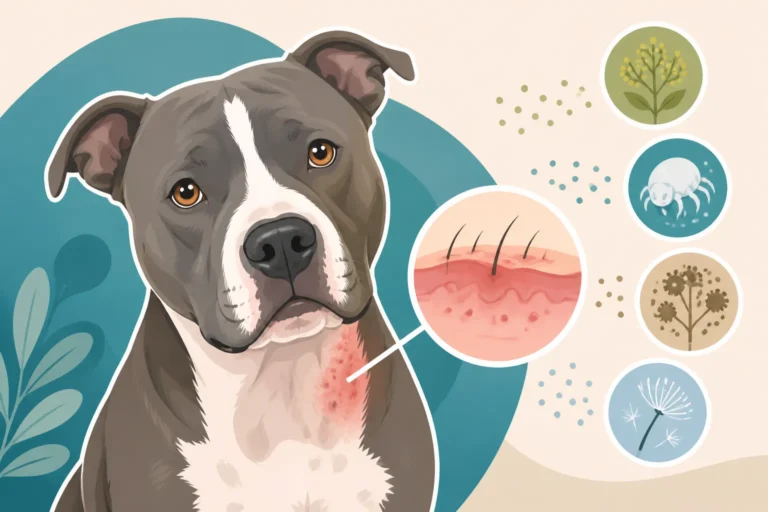
Pit Bull skin allergies and the atopy pattern explain genetic causes, proper diagnosis, and effective treatment options.

Pit Bull lifespan averages twelve to sixteen years for healthy dogs, varying by specific lineage, genetics, and preventative care.

Breed specific legislation targets Pit Bull type dogs globally through outright bans, mandatory sterilization, and strict muzzle rules.

Breed-neutral laws and their impact on Pit Bull owners, replacing unfair breed specific legislation with behavior focuses.

Renaming Pit Bulls and the arguments for and against changing this umbrella term to improve housing access and shelter outcomes.

Rescue organizations present Pit Bull type dogs to adopters by avoiding stereotypes and highlighting individual temperaments.

Pit Bull ownership costs include higher homeowner insurance premiums, restrictive housing policies, and daily social prejudice.

Pit Bull popularity trends, adoption rates, and public perception data remain difficult to track due to inconsistent shelter labeling.

Pit Bull type dogs and mixed breeds are most commonly found within major metropolitan animal shelters across America.
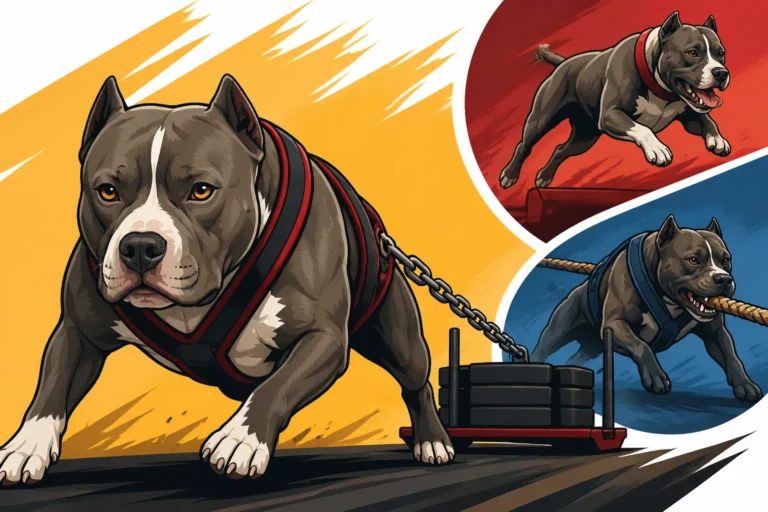
Pit Bull type dogs participate in structured weight pull sports, showcasing natural strength and handler bonds.

Pit Bulls with calm temperaments and proper training can excel as certified therapy dogs, overcoming stereotypes to help people.

Pit Bull type dogs excel in police and detection work through exceptional drive, athleticism, and intelligence.